What is a Product Manager? (And Should You Become One?)
You know that app you opened 30 times today? Have you ever wondered what goes on behind the scenes? Who decides on its vision? Who designs the strategy that makes it so that your finger is clicking on that app 30 times a day? It’s not software engineers or graphic designers, or even the CEO. The people behind these decisions are called Product Managers, abbreviated as PM.
What is a Product Manager?
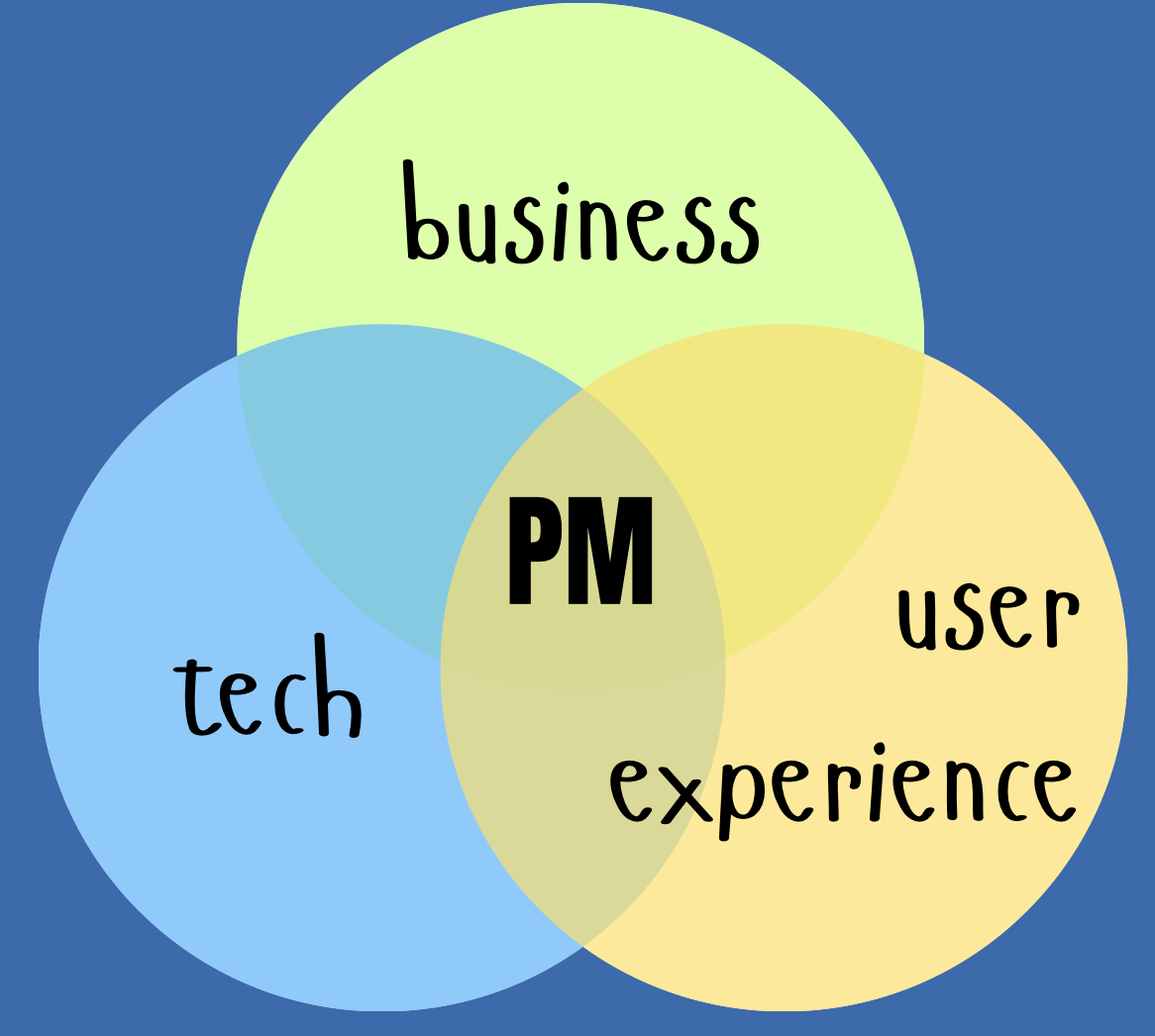
Formally, product managers are responsible for the strategic planning behind a product, no matter what type of product it is (make-up, an app, a massage service, etc). They are at the intersection of business, technology and user experience (UX) design. These three disciplines tend to conflict with each other. For example, something with massive demand might be impossible technologically, and something feasible might not sell in the current market. Product managers are responsible for balancing these conflicting disciplines.
And that involves analyzing the customer's demands, researching competitors, specifying a product's functions, managing feature releases, coordinating work done by software engineers, data scientists, product designers and other cross-functional teams, and developing multi-year roadmaps.
Simply put, they decide on what to build and why, not just how to build.
Some Very Cool Things about this Job
When countless product managers working with a variety of products and across several different fields were are asked why they are passionate about their job, the responses turned out to be are surprisingly similar, all along the lines of turning complex problems into simple and valuable solutions to solve actual issues in people's lives and having a deep sense of ownership over the product's direction.
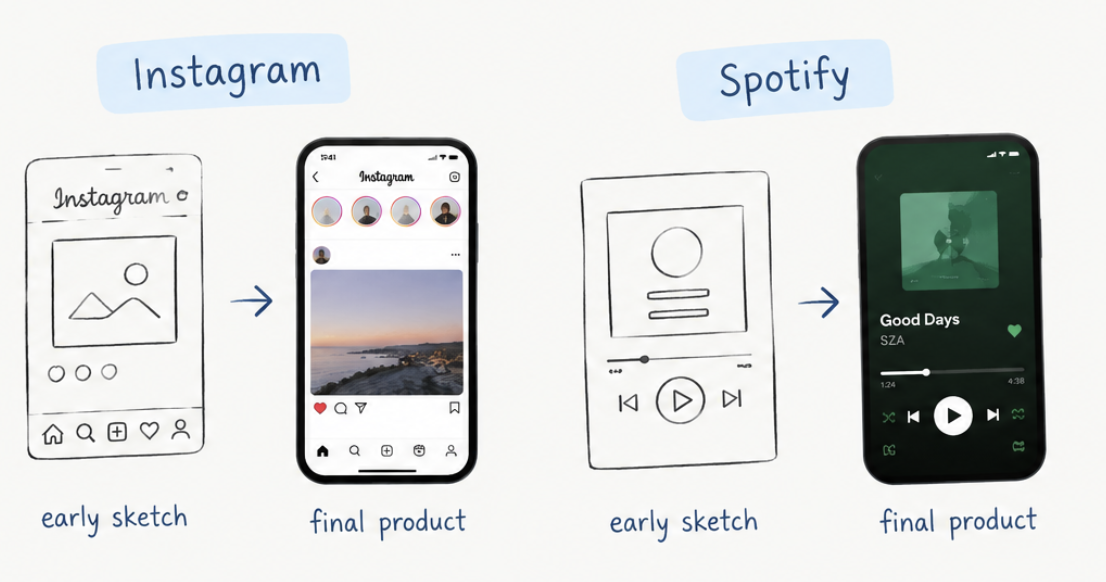
Chinwendu Onuchukwu at EcoBank Nigeria said: "There's no greater satisfaction than seeing a problem solved and knowing it adds value to users and aligns with business goals".
Manjari Sharda, a senior PM, summarized the job simply as, "Nothing beats the feeling when customers repeatedly use your product, because it helps them be more productive or profitable".
Apart from these enlightening moments with a huge sense of accomplishment, a lot lots of personal growth can happen. Many product managers said that there are no two exactly the same days in this job, it forces you to keep learning technical knowledge, craft communication skills, and develop resilience that is impossible to see in many other jobs as you progress in the chaos.
Some Not So Cool Things about this Job
Some people call product managers the "CEO of the product". It sounds impressive, powerful, and in control of everything. But here's the catch: CEOs have authority, so people have to listen. But product managers? Not much authority there. Sources said they "lead through influence", which is just a polite way of saying you need to convince people to do things because you can't actually command them.
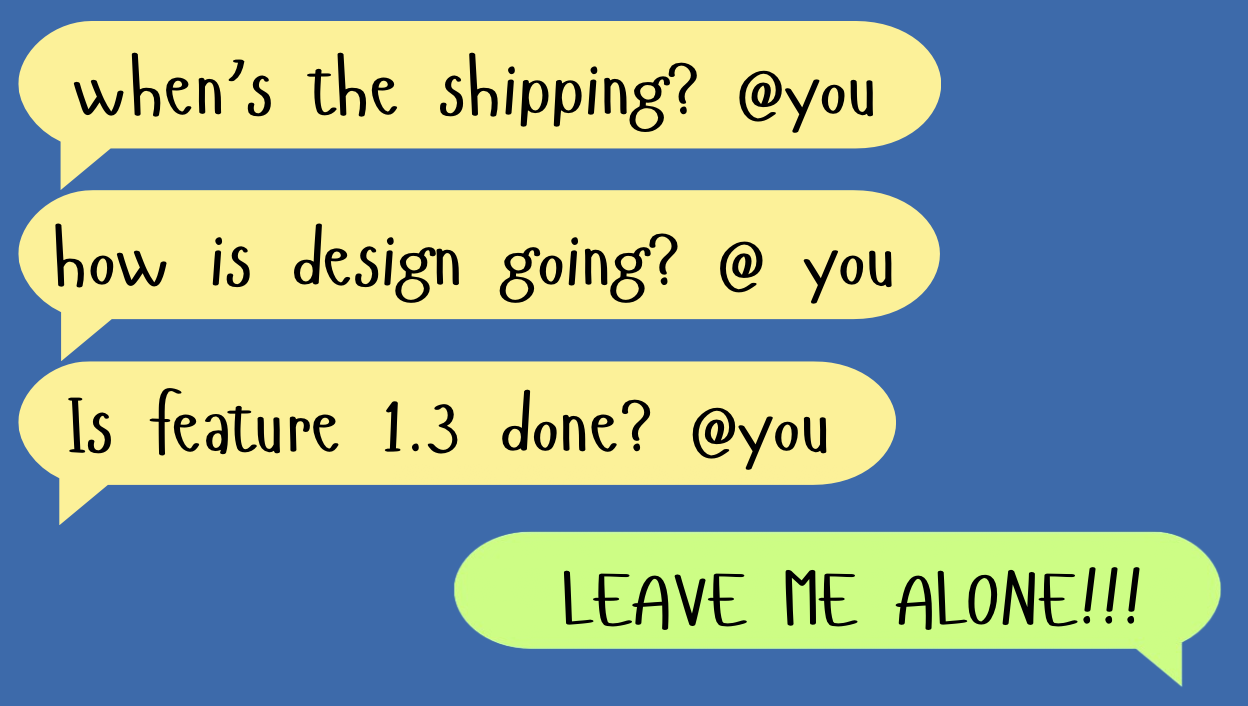
Well, what is the drawback of this balancing, convincing and coordinating? Imagine that you are developing a new smart glass. The engineering team requires weeks to finish the features; the design team needs two days for customer feedback; the marketing team wishes to announce the product next week; while your boss is wondering why the progress has been so slow. This prioritization and balance is very difficult to achieve, so product managers need to be incredibly responsible and communicative in order to ensure everything runs smoothly.
Day in the Life of a Product Manager
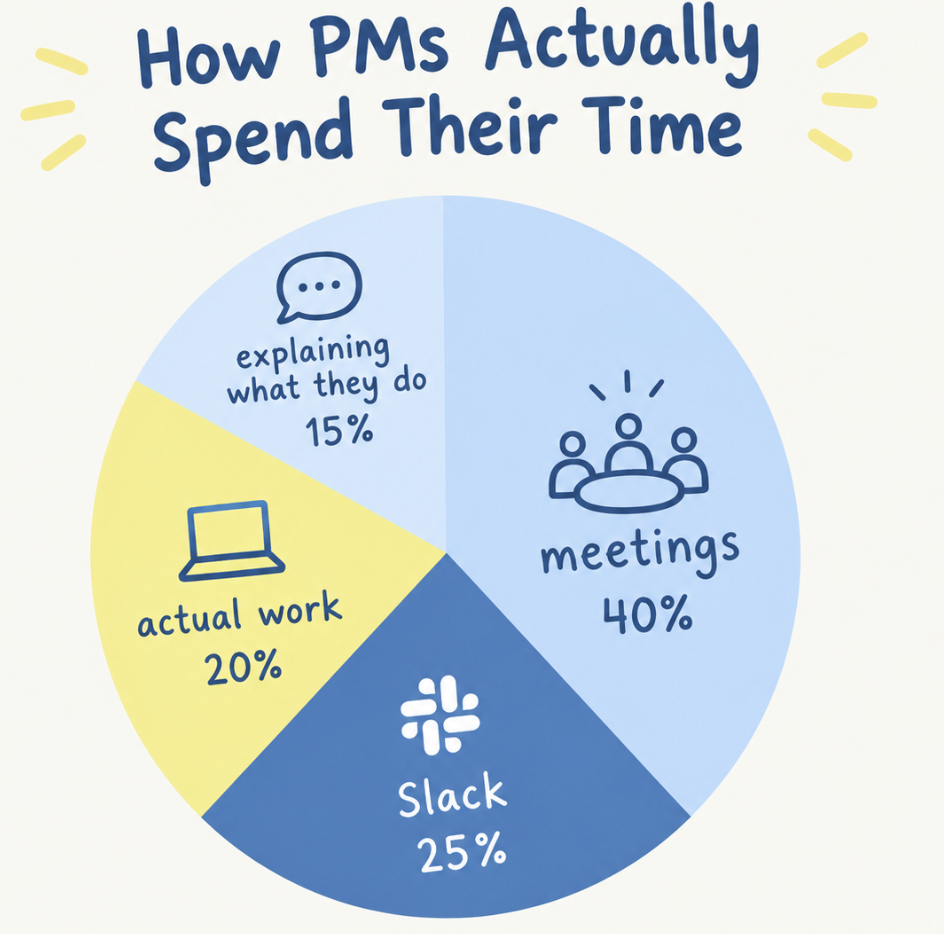
For a typical day-to-day life of product managers, it often starts with a quick look at customer feedback from previous testing and research, then a daily meeting with the engineering team and design team to be on the same page. Then around noon, there would be cross-functional work such as prototype refinement with designers and positioning brainstorming with the marketing team. Around the afternoon, it might involve customer interviews, analyzing usage data or other things that help shape the direction of the developing product.
Very Good Pay
Now, let us talk about the salary. In Canada, most product managers' salaries are pretty strong with a fast growing rate. Entry-level product managers with 1-3 years of experience have an average base pay of around $87,700 with the number increasing to around $85,000-$145,000 after 2-5 years of work experience.
Once a product manager has around 5-8 years of work experience, their salary increases significantly, to approximately $120,000-$215,000. After 8-12 years of work experience, their salary reaches $161,00 - $290,000. Then at the executive level, the salary rises to $215,000-$386,000 with increasing percentages of equity and bonuses. As of February this year, product manager jobs grew by 12% globally, with a regional growth rate at 19% for Canada. This growth is across all levels (associate, PM, senior, and leadership roles).
Hard Skills Heavy Job Future
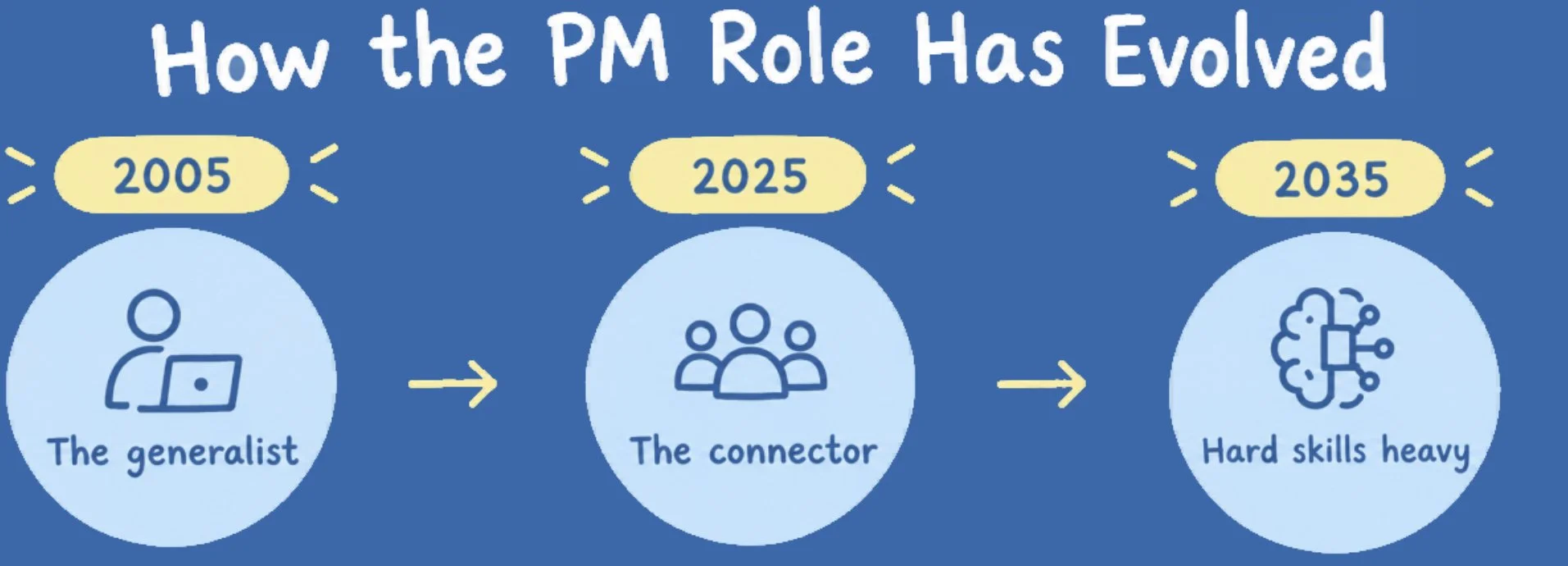
The future of this job is drastically changing. Many sources said that the era of the "generalist PM" is ending, meaning that you can no longer excel in this role mainly based on soft skills, management and just "figuring things out".
Businesses are increasingly looking for "specialized PMs" who specialize in an aspect of product management. For example, one specialty might be strong technical knowledge about the product, and another specialty might be revenue and retention after the initial launch.
Meanwhile, as AI rapidly develops, there has been a trend of automating administrative work such as drafting roadmap updates, summarizing research, writing specs, and etc. A product manager's responsibility will emphasize deciding which customer demand needs filling, deciding what to develop, and balancing between departments. Overall, AI won't replace humans, but humans who know how to effectively use AI will replace those who don't.
Education Needed ( don't know if this is a good news or not)
I've talked a whole lot about the job, now let's get into the path to the job. Well, there isn't a set degree that gets you into product management, which is liberating in that you don't have a single right option, but also frustrating because there isn't a single right option. The data shows that 72% of product managers have a bachelor's degree and 17% have a master's degree. Their academic backgrounds range from business to computer science, engineering, psychology, and even sometimes biology.Perhaps how you use the knowledge is more important than the degree itself, as many product managers transitioned from related fields such as consulting, user experience design, and engineering.
However, if you'd like to take on a more direct pathway to product manager, some universities offer specialized master's programs such as University of Waterloo’s Product Management and Innovation specialization, or the Product and Service Management track in UBC's MBA program.
Recommended High School Activities
The top recommendation would definitely be to create something, anything. Naukri's careers guide directly said that there is nothing that signals readiness for a product manager than building or contributing to a product. This creation can be a simple app, a website for your school's club, or any freelancing work. You will get so many great practices of defining functions, collecting feedback and upgrading your product. On this point, BizSTEM’s Mentor-Led Learning program has free mentors helping you with prototype and passion project development, perhaps checking it out!
The other recommendation is to practice analyzing data and using it to guide your decision making. This is a little more technical, so if your school has a statistics class, please take it, or there are many free courses online too.
Women & Immigrant Women's Representation in Product Management
The status quo is that women make up about 25-30% of the product management roles, which is higher than the 20% average of the technology sector (yay). However, this number drastically decreases when it comes to the senior levels with 46% of men in product manager roles holding CPO, SVP, or C-suite roles while the percentage is only 27% for women, which could potentially suggest some problems. On the bright side, women were actually found to have a higher average salary than men in the same roles and levels. But that doesn’t discount the fact that women are still drastically underrepresented.
For immigrant women, one in three immigrant women in product management felt isolated and marginalized due to being the only woman or person of color in their department. It’s a sad fact that these discriminations still exist in today's world, but progress is being made, and perhaps one day we will achieve the brighter future, without discrimination, without prejudice, that we imagine today. And maybe being a part of the teams that are behind so many products that we use every day would help us towards that future.
